


Every year, during the Black Friday Sale, millions of eager shoppers flood eCommerce websites, hunting for irresistible deals. For customers, it’s a day of massive discounts and quick checkouts.
But behind those lightning-fast transactions lies a silent hero: load testing. It ensures that when traffic skyrockets, your website stays stable, fast, and reliable.
Let’s go behind the scenes and uncover how load testing keeps retailers’ websites from crashing during one of the busiest shopping days of the year.
What Makes Black Friday a True Test for Retail Websites?
Over the past decade, retail has transformed completely—from long queues in stores to instant checkouts on screens.
During events like Black Friday, eCommerce sites can experience traffic surges up to 10 times their normal daily traffic.
Think about giants like Amazon, Walmart, and Target—millions of users browsing, adding carts, and checking out simultaneously.
Without proper load testing, even the most advanced platforms can slow down or crash.
Load testing acts like a digital stress test, ensuring your systems can handle the pressure before customers arrive.
During events like Black Friday, eCommerce sites can experience traffic surges up to 10 times their normal daily traffic, a scale of pressure similar to what Netflix faced during the Jake Paul vs Mike Tyson fight
What Exactly Is Load Testing and Why Is It Vital?
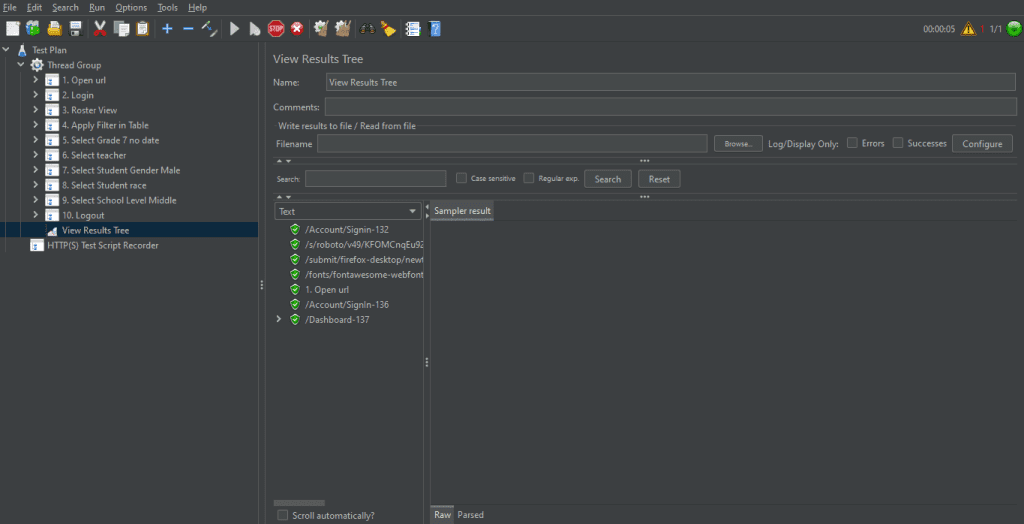
Load testing simulates real-world user traffic on your website or app.
It helps you understand how your system behaves when thousands or even millions of users interact at once.
Key Goals of Load Testing
- Measuring how your website performs under high demand
- Identifying bottlenecks that could cause slowdowns
- Ensuring scalability and stability during sales events
Platforms like Baseline11 make this process easier by enabling teams to run large-scale performance tests from the cloud and quickly identify weak spots before they turn into costly outages.
What Happens If You Skip Load Testing Before a Big Sale?
Let’s look at a real-world lesson.
In 2019, Target’s website crashed during Black Friday due to an overwhelmed checkout system.
The outage lasted for hours, costing the brand both revenue and customer trust.
A robust load testing strategy could have simulated heavy traffic in advance, exposed bottlenecks, and allowed teams to fix them before the sale began.
The outage lasted for hours, costing the brand both revenue and customer trust, a pattern echoed in the Lovable crash and the load performance testing lessons it exposed.
Lesson: Testing before traffic hits is far cheaper than fixing a website crash in real time.
Ready to Make Your Application Unstoppable?
Let’s talk about how enterprise load testing services can prepare your platform for real-world traffic from Black Friday rushes to everyday reliability.
Contact Us for Expert QA Support
How Does Load Testing Help Retailers Prepare for Peak Hours?
Load testing plays a critical role in ensuring a flawless Black Friday Sale.
It Identifies Weak Points Before the Rush
Load testing detects performance issues early—such as:
- Slow API calls
- Database delays
- Caching inefficiencies
Retailers like Macy’s have reduced downtime by identifying these issues before sales go live.
It Simulates Real Customer Behavior
Testers can replicate real-world traffic patterns, including:
- Product searches
- Cart additions
- Checkout flows
This ensures your system is ready for realistic user interactions.
It Ensures Scalability and Reliability
Scalability testing ensures your infrastructure can automatically expand to meet demand.
Brands like ASOS rely on load testing to maintain page speed and uptime during massive traffic spikes.
Brands like ASOS rely on load testing to maintain page speed and uptime during massive traffic spikes, much like how Finternet optimizes performance and load testing with its cutting-edge technology for high-traffic financial platforms.
How Does Load Testing Protect the Customer Experience?
Performance isn’t just about speed—it’s about trust.
During high-traffic events like Black Friday, even a few seconds of delay can lead to cart abandonment.
Load testing ensures:
- Pages load within acceptable response times
- Checkout processes remain uninterrupted
- Servers handle concurrent users without crashing
Retailers can monitor live performance metrics, analyze response times, and adjust configurations instantly, ensuring a smooth shopping experience.
Can Load Testing Actually Save Costs for Retailers?
Absolutely. A well-executed load testing strategy prevents revenue loss caused by downtime and poor performance.
Here’s How It Adds Value:
- Reduced Downtime: Every minute online during peak sales protects revenue
- Optimized Infrastructure: Identify overused or underutilized resources
- Smarter Resource Allocation: Save engineering time by testing proactively
What Do Black Friday Trends Reveal About the Need for Load Testing?
The numbers clearly show the growing importance of performance readiness.
| Year | Black Friday Online Sales (U.S.) | YoY Growth | Source |
|---|---|---|---|
| 2022 | $9.12 billion | — | Adobe Analytics |
| 2023 | $9.8 billion+ | +7.45% | Adobe Analytics |
| 2024 | $10.8 billion | +10.2% | Digital Commerce 360 |
| 2025 | $12.35 billion | +5.3% | Adobe Holiday Report 2025 |
Key Insights:
- Mobile Dominance: 79% of eCommerce traffic came from mobile devices in 2023
- High Conversion Rates: Black Friday conversion rates reached 4.3% vs. a yearly average of 2.5%
As traffic and sales increase, load testing becomes a business-critical strategy, not just a technical requirement.
Final Takeaway: Why Load Testing Is the Real MVP of Black Friday
The Black Friday Sale isn’t just about discounts—it’s a true test of your platform’s strength.
Behind every smooth transaction is powerful load testing ensuring your system can handle the pressure.
By integrating tools like Baseline11 into your testing workflow, you can:
- Simulate real-world traffic at scale
- Detect and fix performance bottlenecks early
- Ensure stability under any load conditions
So while customers enjoy lightning-fast deals, remember—it’s load testing working silently behind the scenes that makes the entire experience seamless.